
SHIPPING CONTAINERS & LESS-THAN-CONTAINER LOADS (LCL)

7 Impactful Second-Hand Wholesale Statistics For 2025
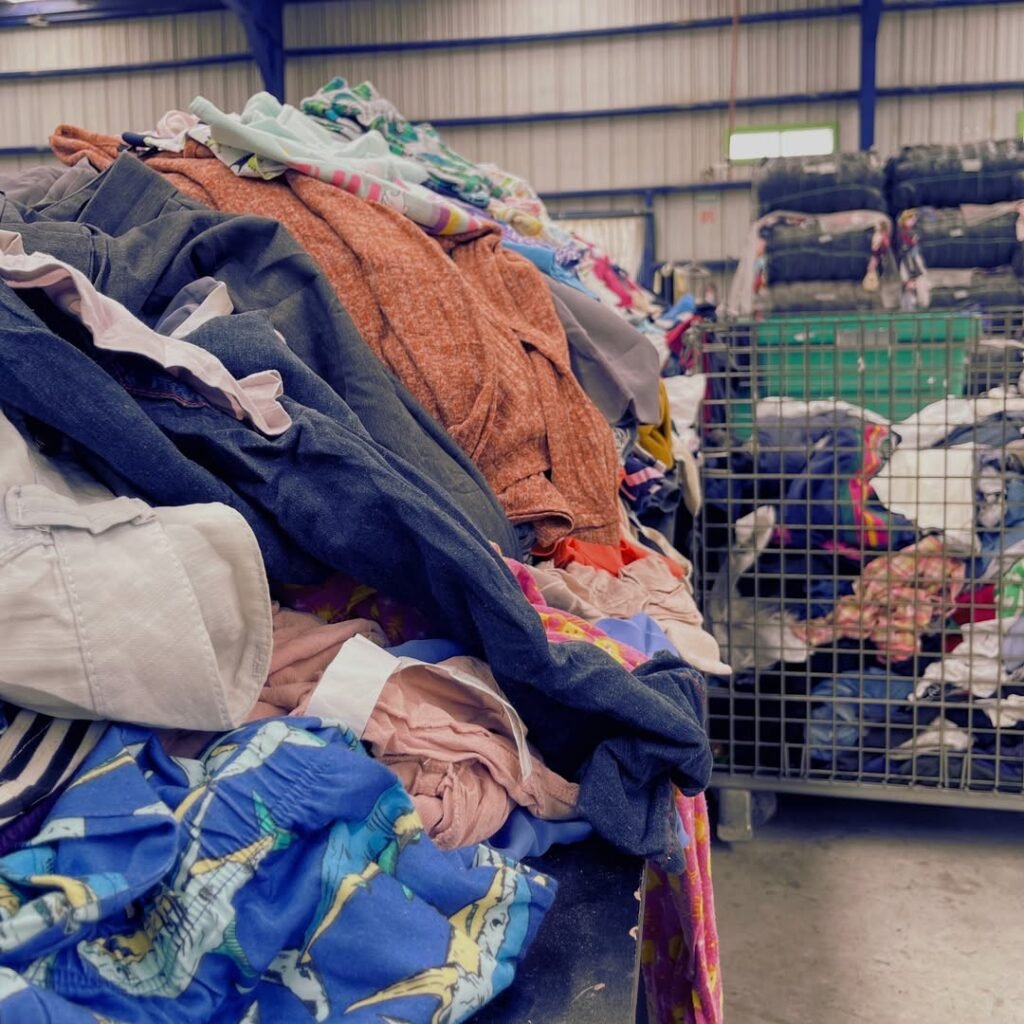
The second-hand wholesale industry and its goals of sustainability, cost-consciousness, and circular economy initiatives become central to global consumption patterns. At Bank & Vogue, we’ve spent decades helping partners thrive in the used goods space, whether through sourcing bulk used clothing, footwear, or collaborating on innovative upcycling solutions. As we step into 2025, these 7 key statistics highlight just how vital the second-hand wholesale sector continues to become: 1. The Global Second-Hand Apparel Market Will Reach $350 Billion by 2025 According to ThredUp’s Resale Report, the global second-hand apparel market is expected to triple in value from 2020 levels, hitting an estimated $350 billion USD by the end of 2025, and $367 billion by 2029. 2. Used Goods Now Represent 10% of Global Fashion Sales Used clothing, footwear, and accessories now account for over 10% of all fashion sales globally, reflecting a shift in consumer mindset from ownership to access and sustainability. 3. 70% of North American Consumers Planned To Buy Second-Hand in the Past Year More than 70% of consumers globally planned to buy used goods in 2024, according to eBay’s 2024 Recommerce Report, released in May. Additionally, 86% of shoppers surveyed had bought or sold a pre-loved item in the last 12 months, with Gen Z and Millennials leading the charge. 4. Synthetic Fabrics & Microplastics In Oceans Synthetic fabrics like polyester shed tiny plastic fibres during washing, which eventually make their way into oceans. Around 35% of all microplastics in the ocean come from laundering synthetic textiles.  Each year, about 500,000 tons of microfibers are released into the ocean through washing clothes, an incredible impact from something that is too small to see. 5. Clothes Are Thrown Away in as Little as 7 Wears In recent years, data shows that clothing is worn only 7 to 10 times before being thrown away, a decline of more than 35% in just 15 years. This puts enormous pressure on the already unsustainable and wasteful process behind fast fashion. 6. 55% of Gen Z Has Rented Clothing in the Past With high prices, inflation increasing, and Gen Z being more conscious of their day-to-day products and practices, clothing rental services and businesses have taken off, largely led by the Gen Z population. Whether it’s for prom, a wedding, or even a special event, rented clothing is becoming the go-to option for “wear-it-once” scenarios. 7. Carbon Emissions Reduction by 25% with Secondhand Buying secondhand reduces the environmental impact of fashion buying, and wearing secondhand clothing instead of new reduces carbon emissions by an average of 25%. In 2025, make secondhand clothing a bigger component of your wardrobe and help contribute to increasing the average. Ready to Thrive in 2025’s Second-Hand Boom? Whether you’re a thrift retailer, fashion brand, or logistics partner, the statistics speak for themselves: the second-hand wholesale industry is no longer niche; it’s the future.  — At Bank & Vogue, we help businesses like yours tap into sustainable supply chains, reliable sourcing, and global resale opportunities. Get in touch with our team today to discover how we can help you grow with second-hand in 2025 and beyond. Contact Us Today!
From Bale to Boutique: 5 Strategies to Maximize Resale Profit Margins

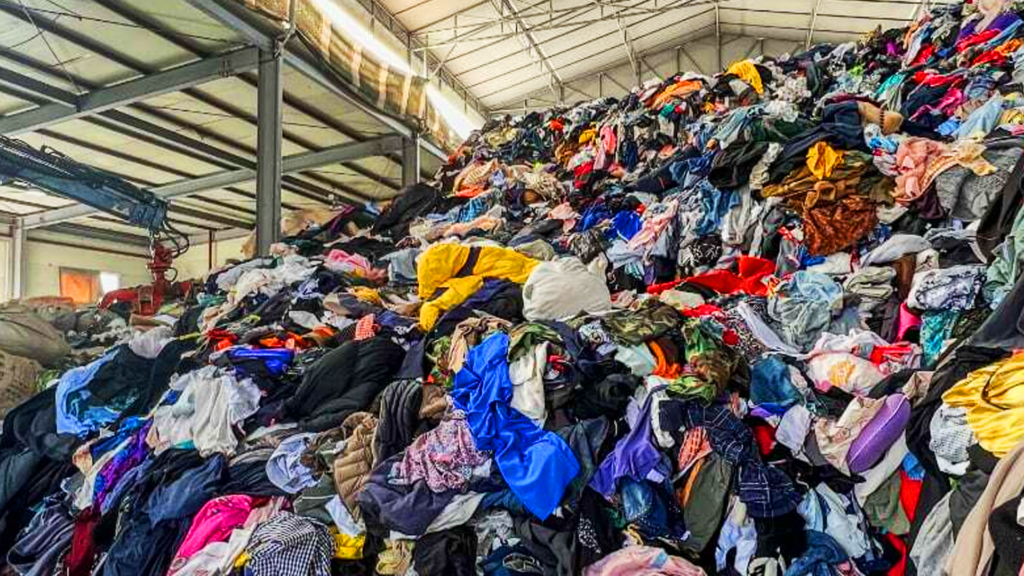
Sourcing a high-quality bale is only the first step. To thrive in the competitive North American and European resale markets, you need an efficient pipeline to turn bulk inventory into cash. Here are five proven strategies to maximize your ROI. The “Speed-to-Floor” Protocol Time is money. The moment a bale arrives, sort it into three categories: “Immediate List,” “Requires Prep,” and “B-Stock.” High-value items should be steamed, photographed, and listed within 48 hours to keep your cash flow moving. Introduction Sourcing a high-quality bale is only the first step. To thrive in the competitive North American and European resale markets, you need an efficient pipeline to turn bulk inventory into cash. Here are five proven strategies to maximize your ROI. 1. The “Speed-to-Floor” Protocol Time is money. The moment a bale arrives, sort it into three categories: “Immediate List,” “Requires Prep,” and “B-Stock.” High-value items should be steamed, photographed, and listed within 48 hours to keep your cash flow moving. 2. Professional Presentation In the age of Instagram and Depop, photography is everything. Invest in a clean, neutral backdrop and natural lighting. For clothing, a simple steam treatment can increase the perceived value of an item by 30% or more. 3. Strategic Pricing for the “Weekly Drop” Create a sense of urgency. Use a “Weekly Drop” model where new arrivals go live on a specific day. Start with a premium price point and use a scheduled markdown strategy for items that don’t sell within the first 21 days. 4. Leverage Manifest Data Use the manifests we provide to pre-list items on your e-commerce platforms. This “pre-selling” strategy can help you recoup your initial investment before the shipping container even clears customs. 5. Sustainable Packaging European and North American consumers are increasingly eco-conscious. Using recycled or biodegradable packaging not only fits the “circular economy” brand of second-hand fashion but also builds long-term customer loyalty. Conclusion Success in resale isn’t just about what you buy; it’s about how you process it. With the right systems, a single 50lb bale can become the foundation of a thriving retail brand.

Decoding the Grade: A Retailer’s Guide to Quality Standards

In the wholesale second-hand industry, “Quality” is often a subjective term. For a retailer, understanding the difference between a Grade A and a Grade B bale is the difference between a quick sell-through and high inventory overhead. At [Company Name], we believe transparency is the foundation of a successful partnership. This guide breaks down our rigorous grading standards so you can buy with total confidence. The Anatomy of Our Grading System Why Standardized Grading Matters Consistency allows you to calculate your Landed Cost accurately. When you know exactly what percentage of a bale is Grade A, you can project your profits before the shipment even arrives at your warehouse. Our multi-stage inspection process in our sorting facilities ensures that what you see on the manifest is exactly what you get. Conclusion Conclusion Stop gambling on “mystery bales.” By choosing a supplier with documented grading standards, you protect your reputation and your bottom line.